
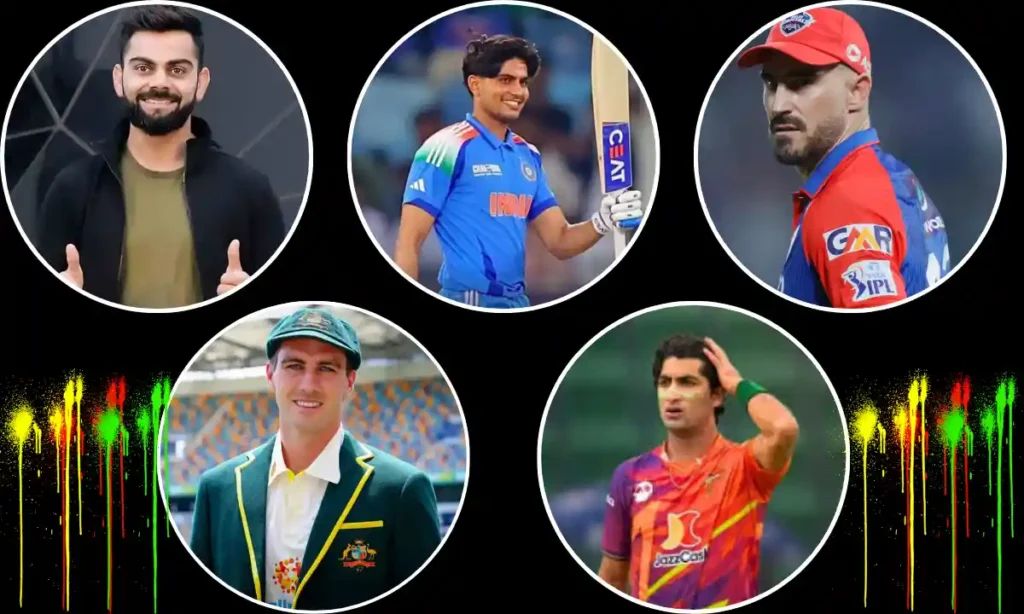

275,000,000. That’s how many people, in mid-2026, follow Virat Kohli on Instagram. He is currently the second-most followed person on the platform, behind only Cristiano Ronaldo. For comparison, the population of the entire country of Pakistan is 230,000,000. That means there are more people following Virat Kohli on just one social media site than the total population of the second-most populous country on the cricket landscape.
The most handsome cricketer in the world, by any metrics we have available in 2026, is Virat Kohli. However, the basis of that agreement is actually more interesting than the agreement itself, and the arguments for the players coming behind him illuminate the definition of ‘handsome’ in cricket, its measurement, its significant India-audience bias issue and who may succeed Kohli at the top in the next 5 years. This article argues this, rather than merely presenting a list.
The Framework: How to Rank Handsomeness in Cricket Without Pure Subjectivity
Handsome is subjective, but it is not unmeasurable. If it’s the same question over millions of search requests, fan votes, brand deals and magazine articles, then tangible approximations begin to emerge. Not ideal, but they are better than one man’s perception.
The four metrics used to decide the world’s most handsome cricketer are: social media following and engagement, brand deal valuation and the kinds of brands that sponsor a player, number of magazine covers and fashion editorials a player has appeared in, and cross-cultural recognition (how often a player features in the same lists by different countries’ media). While one cricketer may be the most handsome in India, one who is consistently in the top 5 in both the Indian, Pakistani, British and Australian lists is a much more concrete candidate.
Two metrics that this list purposefully does NOT include are bowling or batting averages. A player’s skill and success as a cricketer affords them fame, which then allows handsomeness to be utilized. Performance, however, is not the same as appearance. Some of this generation’s greatest cricketers will not be on this list, and some cricketers on this list are not even among the top 20 on any cricket-specific performance index. It’s important to acknowledge this in order to maintain honesty about what this analysis measures.
| CRITERION | WEIGHT IN RANKING | WHAT IT MEASURES | LIMITATION |
|---|---|---|---|
| Social media following and engagement rate | High. Primary indicator of global personal appeal. | How many people actively choose to follow and interact with this person as an individual, not just as a cricketer. | India population bias. A large follower count from one country does not equal global appeal. |
| Brand deal value and brand type | High. Economic expression of perceived attractiveness. | Premium fashion, luxury, and lifestyle brands select faces that align with aspirational identity. The type of brand is as revealing as the number of deals. | Some brand deals are cricket-performance driven, not appearance-driven. |
| Magazine cover frequency | Medium. Editorial validation. | Fashion editors and magazine directors make conscious choices about which athletes are visually compelling enough for their covers. GQ, Vogue and Esquire require a different standard than cricket-specific publications. | Limited primarily to English-language markets. |
| Cross-cultural ranking consistency | High. Global consensus test. | Does the same player appear at the top of rankings from India, Pakistan, England, Australia, and South Africa simultaneously? If yes, the case for global handsomeness is genuine rather than market-specific. | Smaller cricketing markets generate fewer rankings, so their input is statistically underrepresented. |
The India Bias Problem: What Most Ranking Articles Get Wrong
However, prior to the list itself, one important issue must be considered which threatens the validity of almost every “most handsome cricketer” list on the internet.
India has roughly 1.4 billion people, and a significantly higher percentage of people in India care about cricket than in any other nation. As a result, when an Indian based online publication writes a “most handsome” list, or when an online poll is administered where the majority of voters are Indian, the overwhelming result will almost always be in favor of Indian cricketers, irrespective of who globally possesses the highest levels of cricket handsomeness. It’s not a conspiracy, and Indian tastes aren’t flawed. It’s statistics. If your test sample consists of 80% Indian voters, your test result will be predominantly reflective of Indian taste.
What this translates to, when a list of “most handsome cricketers in the world” is written, for an Indian or global market, is simply an “Indian market” ranking with a “world” title.Virat Kohli, KL Rahul, Hardik Pandya, Shubman Gill, Rohit Sharma etc. Rank highest not because every cricket fan across the globe agrees they are the most attractive cricketers on earth, but because the most voters available are located in India.
This does not make Kohli’s top rank factually incorrect. What it makes factually incorrect is the reasoning. Kohli ranks first, because of his global crossover appeal more than any other player on the planet, not because of 275 million votes cast by the people in India. This is what separates this list from the other hundreds of near-identical ones stating the same facts without explaining the causes.
The Most Handsome Cricketer in the World: Full Ranking and Analysis
1. Virat Kohli: The Objective Case
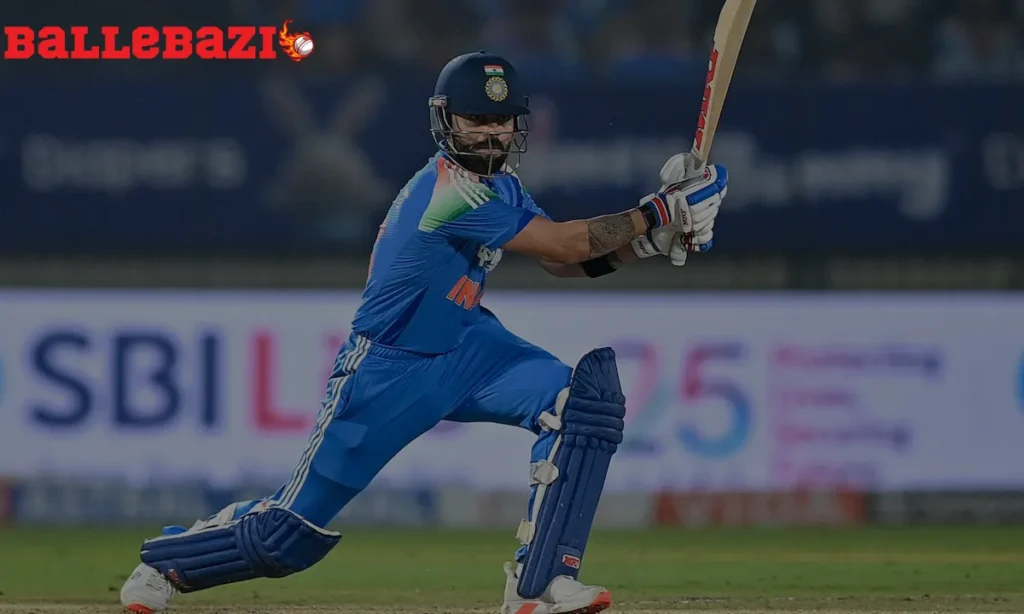
Virat Kohli is the handsomest cricketer in the world, and his claim to that title can be based on four things which no other cricketer in the world can combine at the same time.
First, the social footprint. The 275 million odd followers on Instagram are not just from India. His follower base is international in a way that almost no other sportsperson in the world is. There are huge audiences in South-East Asia, the Middle East and diaspora networks across UK, North America and Australia. The engagement rates for the posts are often above 10%, a huge number when we talk about a 200 million+ follower account. Most of these accounts have single digits engagement rates (below 2%) below a 100 million mark. So, the follower base doesn’t just subscribe to the feed, they respond to it.
Second, the brand portfolio. His brand portfolio is dotted with brands like Puma, Audi, MRF, Tissot, Wrogn, One8, and increasingly fashion and luxury collabs. It’s significant that his portfolio includes Tissot, a Swiss watch manufacturer, and Audi, a luxury European car manufacturer. These are not brands that pick a cricketer based on batting stats. They pick him for his face. Audi and Tissot both have extremely stringent brand alignment criteria before they decide to sign a sports star and Virat Kohli fits both the brands based on factors that go far beyond batting averages.
Third, the magazine cover record. His magazine cover history includes multiple editions of GQ India, Vogue India, Forbes India and other international editions of the same publications. The variousGQ covers at the very least suggest that the fashion editorial world independent of cricketing success, picked him as one representative face for men’s style.
Fourth, and by far the most important: the cross-cultural consistency. Virat Kohli finds himself either in the top or at number one position across ranking articles from Indian, Pakistani, British, Australian and South African cricket publications. There is no other cricketer who finds himself in the top three across these publications with really differing aesthetic considerations, separate from separate national loyalties toward the sport. A Pakistani cricket fan saying that a Pakistani cricketer is the best is natural, but Pakistan calling Virat Kohli a top 3 batsman in their publication is a data point.
2. Shubman Gill: The Succession Argument
The argument for Shubman Gill at number two isn’t about where he sits now at 2026. It is about his upward graph, and what the available indicators suggest will happen over the next decade in the “handsome cricketer” space.
Gill is twenty-six, captain of the Indian team, has 17 million Instagram followers and that has one of the steepest growth curves in cricket. The brand deals have already begun, in the kind of numbers they begin to appear when a cricketer moves from the space of “performance icon” to “general celebrity”. Dream11, Pepsi, MRF, and an expanding portfolio of fashion-related products suggest a brand recognition that’s faster than his career progression at this stage.
His physical looks offer him an advantage over Kohli where cross-cultural appreciation matters. Kohli’s looks are more intense, more aggressive, immediately identifiable with a particular set of South Asian male looks. Gill’s looks are gentler, more conventionally classical and aligned with global definitions of beauty, and he is tall. The fact that this Indian cricketing star has an Indian but an internationally recognizable and transferable look, suggests his potential over Kohli’s present dominance in a decade’s time.
He doesn’t quite reach number one in the rankings as it stands, because that cross-cultural consistency simply isn’t there. He doesn’t appear at the top of British and Australian rankings quite as frequently as Kohli does. The brand list has not yet reached premium global luxury product brands. But the progression is visible, and over five years, the argument for Gill to be at number one is more robust than for anyone else currently playing cricket.
3. Faf du Plessis: The Outlier Who Proves Global Taste Is Real
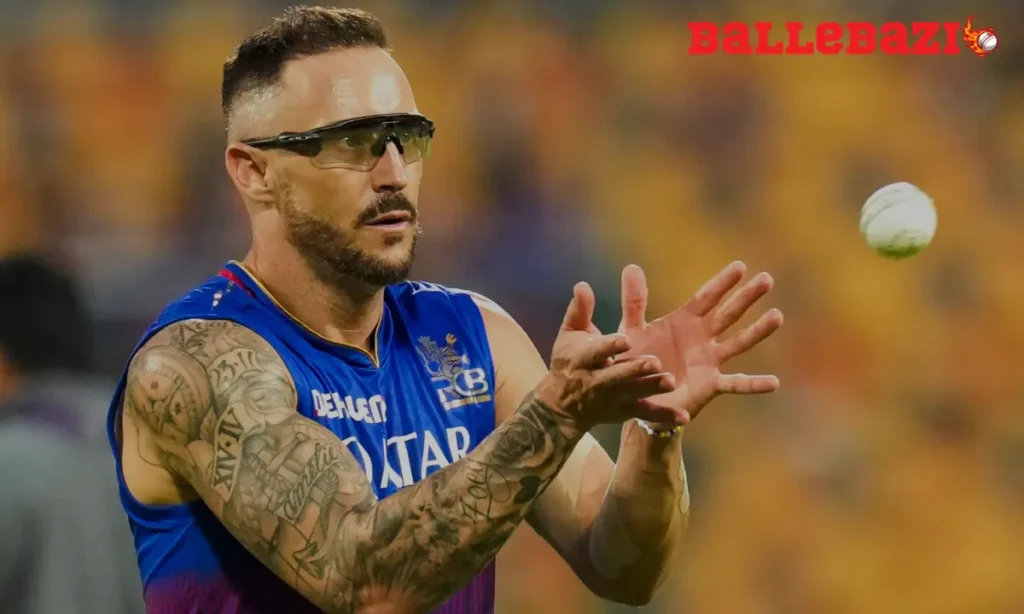
There’s a specific analytical meaning to having Faf du Plessis at number three beyond simply his individual placement. He’s the first non South Asian on the list, and his repeated presence on top-five lists across drastically diverse markets like India, Pakistan, the UK and South Africa are the most concrete evidence we have that the notion of globally handsome cricket player is not simply an India-audience construct.
The age (41) and retirement status (2023) of du Plessis offer further insight. His continued presence on these lists in the absence of his performance-based relevance to international cricket points to the enduring nature of his appearance. His features-his broad jaw, strong musculature, distinctive beard, the presentation style of a man who knows and has applied care to his presentation over a span of two decades-evoke an entirely different visual sensation than that of Kohli or Gill. His look screams “Veteran action movie lead.” That’s an aesthetic that possesses extraordinary portability.
His position within the top five of lists from Indian cricket publications, in spite of his South African, and recently retired, status is arguably the most persuasive piece of evidence anywhere in this examination that the aesthetic of handsome cricketers is not solely dictated by the sheer quantity of Indian fans. Faf du Plessis earns his position solely based on his appearance and presentation.
4. Pat Cummins: The Western Benchmark
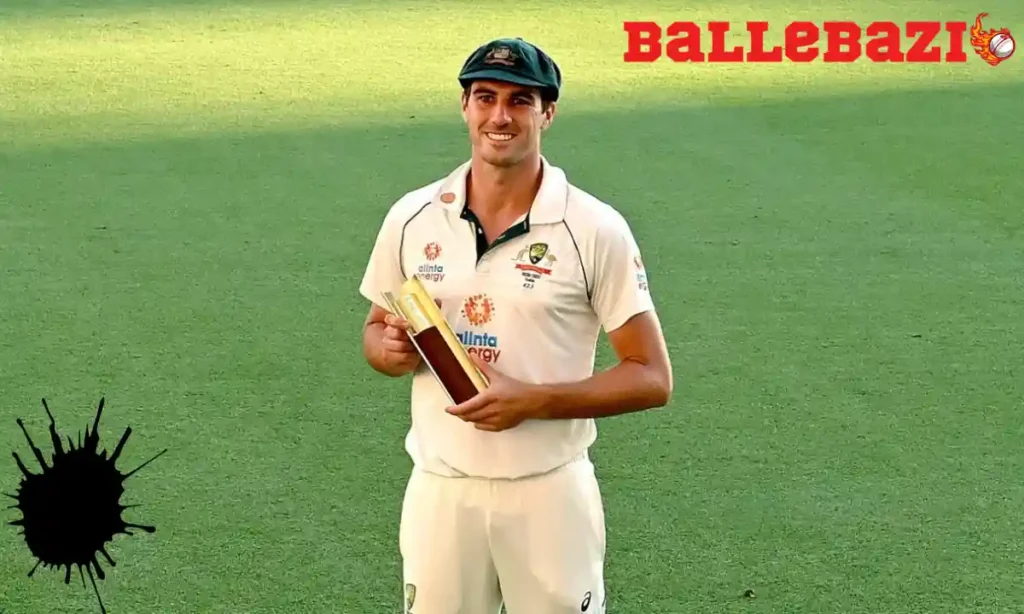
Pat Cummins represents a type of good looks which, combined with captaincy and actual cricketing prowess on the pitch, compounds into a certain kind of global appeal that is unachievable through Instagram follower counts alone. He is Australia’s Test captain, is an elite fast bowler, and has blue eyes, a cool disposition, and an all-around presence that reads as quintessentially Western at a time when the sport’s fulcrum has shifted decidedly East.
His appeal in the UK and Australia markets is roughly on par or better than Kohli’s because they adhere to a different kind of aesthetic value set. British and Australian cricket fans asked to rank the most physically appealing cricketers, consistently list Cummins in the top three, behind Kohli and just in front of the next contender in this list. That the trend persists across two major English-speaking Western cricket markets suggests a level of crossover score most Indian cricketers don’t achieve in these areas despite them being smaller total audiences.
His brand profile attests to this; he has had partnerships with Mercedes-Benz, Asics, Magellan Financial Group, and other premium Australian and international brands. His partnership with Mercedes suggests that European premium automotive brands see him as a viable face in markets beyond India too.
5. Naseem Shah: The youngest claim
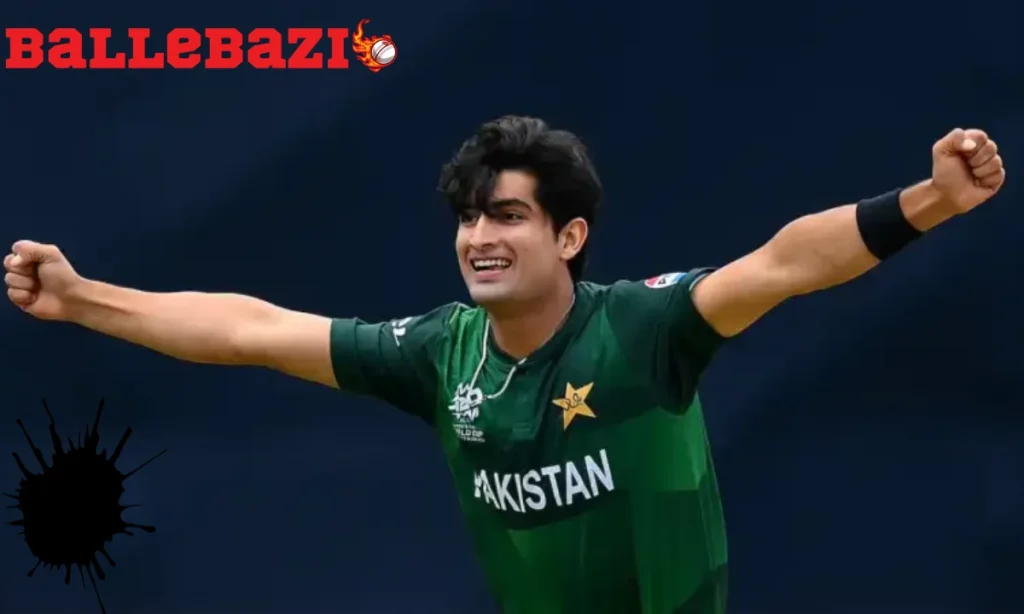
At only 22, and born in Dir, Pakistan in 2003, Naseem Shah represents something very particular in this ranking: acceleration of celebrity in the world of cricket. Shah’s international rise has not really been defined by domestic success but by a combination of naturally arresting good looks, a recent viral moment hitting two sixes to win a game of cricket in the Asia Cup of 2022, and the classic appeal of a tall, fast, classically-featured young Pakistani bowler.
At 22, Shah has 11 million Instagram followers – nearly unparalleled, worldwide – and he is growing faster than nearly all his contemporaries, relative to his age. The following he is building is cross-national, uncommon for Pakistani cricketers, who usually command primarily South Asian audiences. Shah’s features, his imposing height and his general photogenic appeal that the camera catches unlike anything the human eye sees has already made him a consistent feature on lists ranging from Pakistan, to India, to the UK and South Asian diasporic cricket communities.
He is at #5 instead of higher because the brand architecture has not been solidified yet. He does have domestic Pakistan endorsements, as well as some interest from India, but he does not yet have the premium international brand stamp of approval that signifies true global handsome-celebrity. We expect this to occur in two or three years.
| RANK | PLAYER | NATIONALITY | AGE | INSTAGRAM (APPROX) | KEY BRAND SIGNAL | WHY THIS POSITION | WHY NOT HIGHER |
|---|---|---|---|---|---|---|---|
| 1 | Virat Kohli | India | 36 | 275 million | Tissot, Audi, Puma | Cross-cultural consistency across all major cricket markets. Highest engagement rate. Premium Western luxury brand portfolio. | There is no stronger current case. |
| 2 | Shubman Gill | India | 26 | 17 million (fast-growing) | Dream11, Pepsi, MRF | Fastest-growing brand trajectory. Captain of India. Classical symmetrical features with international appeal. | Cross-cultural consistency not yet at Kohli level. No premium Western luxury brand yet. |
| 3 | Faf du Plessis | South Africa | 41 | 3.5 million | Nike, various fashion | Only non-South Asian in top three. Retired but still top five globally. Proves the ranking is not purely an India-audience construct. | Retired from international cricket 2023. Lower follower count. |
| 4 | Pat Cummins | Australia | 31 | 2.8 million | Mercedes-Benz, Asics | Western benchmark. Tops UK and Australian market rankings. Mercedes partnership signals European luxury brand appeal. | Lower total reach than Kohli or Gill. Cross-cultural score lower in Asian markets. |
| 5 | Naseem Shah | Pakistan | 22 | 11 million (fastest growing) | Pakistani brands, emerging Indian brand interest | Youngest high-ranking entrant. Cross-national appeal unusual for a Pakistani cricketer at this stage. | Premium international brand portfolio not yet developed. Still building. |
| 6 | KL Rahul | India | 32 | 16 million | Boat, Tata Neu, fashion | Fashion-forward personal brand. Tattoos, style, consistent fashion campaign work. Strong domestic brand architecture. | Never consistently breaks top three in Western market rankings. Brand portfolio strong but not premium Western luxury tier. |
| 7 | Babar Azam | Pakistan | 30 | 13 million | QMobile, various Pakistan brands | Most prominent Pakistani cricketer in cross-market handsome rankings. Neat grooming and batting excellence amplify visibility. | Brand portfolio not yet at international premium level. Limited Western market ranking penetration. |
| 8 | Ben Stokes | England | 34 | 3.5 million | New Balance, various sports brands | Only English cricketer to consistently appear across global handsome rankings. Rugged appeal with blue eyes and muscular physique. | Very limited social media presence. Brand portfolio sports-focused rather than fashion/lifestyle. |
| 9 | Kane Williamson | New Zealand | 35 | 2 million approx | Various New Zealand and sports brands | Appears consistently across international rankings despite low social following. Appeal based on calm, clean features and quiet charisma. | Low social media profile actively limits global ranking. New Zealand cricket’s smaller audience pool. |
| 10 | Hardik Pandya | India | 31 | 30 million | Various fashion and lifestyle | High follower count and aggressive fashion-forward identity. Hair, tattoos, and deliberate celebrity persona-building. | Divisive in cross-market rankings. Strong in Indian market, lower in Western markets. Fashion is deliberate but viewed as try-hard in some external assessments. |
Why Virat Kohli Cannot Be Replaced Yet: The Data Argument
The number one question most cricket fans ask after reading a piece like this ranking is when Shubman Gill surpasses Kohli. It’s an understandable question considering Gill’s trajectory and his rise in this aspect. The honest answer: Not yet. And here’s why.
The gap in Instagram following is not a number; it’s 275 million vs 17 million. That’s not a number that can be closed in two years even if the growth rate is exponential. Far more significantly, the 275 million isn’t just about the volume; it’s about the composition. Kohli’s 275 million include Indian fans, Pakistani fans, South East Asian cricket markets, the Indian diaspora scattered globally, and indeed a portion of the non-cricket watching population across the globe who know of him through fashion/lifestyle channels. Gill’s following is 90% India-origin right now. The global diversification of his followership – something that comes naturally with the evolution of his career and off-field image – has yet to occur.
The brand signal is similarly conclusive. Kohli’s endorsement portfolio includes brands that don’t usually sign cricketers – Tissot, Audi. These brands sign faces; Gill currently endorses brands that primarily sign cricketers who happen to be celebrities. The question of whether a brand is paying for a face or for the cricket associated with that face: Premium fashion and luxury brands pay for faces – and their presence in an endorsement portfolio is by far the strongest possible proxy for genuine global handsome celebrity status available.
Magazine editorial is the third criterion. Kohli has a consistent back-catalog of GQ India covers stretching across years and has graced international GQ covers. Shubman Gill has yet to build that portfolio. Magazine covers are a decision taken by fashion editors, who are specifically looking at faces to feature on their pages; the frequency and the prestige of those covers is a clear editorial statement about a face’s suitability. It hasn’t happened for Gill, at least not yet, at the same level.
Why Shubman Gill will eventually lead: The case for it.
The case for Gill’s eventual ascendancy to number one is aspirational and future-looking. The evidence for that aspiration is strong – stronger than that of any other currently active cricketer not named Kohli.
He is the current captain of India at 26; captaincy has a multiplicative effect on celebrity in the Indian market. Kohli’s reign as captain of India is when his star transcended the boundaries of the sports arena to become a bona fide cultural icon. This same multiplier effect is available to Gill now, and he starts at a considerably higher base, both in terms of followership, physical appearance and early endorsements than Kohli did at the same stage.
The generational transition is happening in real-time. The brands that will represent Gill’s premium portfolio are not yet signed. The GQ covers are not yet published. The Mercedes equivalent deal has not yet been announced. The cricketers who eventually become premium brand faces at 30 can usually be identified at 26, and the factors that pointed towards Kohli at 26 are very clearly present with Gill. He pitches slowly at some of the same brand archetypes.
The structural advantage he has is time. Eight to ten years of active international cricket remain ahead of Gill; Kohli has three to five. The question is not whether Gill will eventually be number one on this list; it’s whether that happens while Kohli is still actively playing, or only after his retirement. If the current trend continues, he’ll probably reach number one before Kohli has hung up his boots for good, maybe around 2028.
The Faf du Plessis story: His analytic importance.
Faf du Plessis warrants more dedicated space in any analysis of these global rankings than is usually allotted. His position at number five on these rankings has a very specific informational value that no other individual can offer.
He is a South African, he retired from international cricket in 2023, and yet he finds a place in the top 5 in analyses published by Indian cricket media in 2026. The specific achievement here is that retired South African cricketers do not usually hold top 5 rankings, year after year, from Indian cricket media, unless they have some very specific resonance with the Indian public. The popularity of Faf among the Indian cricket following demonstrates a specific, genuine cross-cultural appeal.
His position in Indian rankings makes sense, and is worth examining – He embodies a unique archetype: rugged, chiselled, physically imposing and mature. A persona that has a fairly consistent following across cultures simply by virtue of the fact that he doesn’t represent the dominant Indian cricket stereotype; there’s a complementary, rather than competitive aesthetic there that Indian female cricket fans look for when they are not necessarily looking at the familiar faces from their home country.
If these rankings are wholly biased towards India and were therefore irrelevant for players who don’t hail from India, Faf du Plessis would not be in the top five.
Handsome vs. Popular: The Distinction That Matters
The former is what, with a lack of discussion in any of the competing articles, this list actually measures and what honesty about its measure dictates.
MS Dhoni is one of the greatest cricketers ever. In India, his popularity and following in cricket, is massive and deeply emotional. His regularly features in cricket fan polls. This does not mean he will be in lists of most handsome cricketers as there is a difference between who people most like, and who is the best looking in a classic sense. MS Dhoni’s appeal is one of character, success, and a form of charisma that does not demand physical handsomeness; Kohli’s combines both with good looks as well.
The opposite applies too. Naseem Shah, while perhaps the most handsome cricketer alive is nowhere near the top twenty most popular. He doesn’t have the career success of Dhoni or the time in the game of Kohli; but for all the reasons that would place him on a most handsome list based on physique alone – there he has a claim, regardless of his batting average.
The most common source of confusion in this issue comes from equating handsomeness and popularity. Virat Kohli is genuinely handsome and he is also genuinely popular, but that is only because his specific characteristics combine both: his profile has what none other in cricket possess in terms of cross-cultural recognition, brand strategy, a history of being a number one and the quality of that follower base; but the two remain different, and a list that equivocates will feature figures that may have all the popularity in the world, but cannot be counted as the best looking, that means both Sachin Tendulkar and MS Dhoni feature on this particular list which, as stated earlier, is an error of category.
The Number Beyond 275 Million
The number one player on this list is Virat Kohli. This is not simply due to the fact he is the most popular player – or the sheer number of followers that he has above the rest, this is a combination of cross-cultural recognition, sophisticated brand building, a history of consistent number one ranking based on editors, and the quality of engagement that is simply unmatchable currently in cricket. There is little doubt Shubman Gill will challenge that soon, within five years most likely. Faf du Plessis is evidence the list is not purely an Indian matter; the quality Pat Cummins brings to the West is not adequately reflected in the sheer follower count of Naseem Shah who at 22 and building something significant is truly the future; however as of 2026 the number after 275 million on the IG feed is the gulf between Kohli and everybody else; the brands which paid him for his face instead of his batting average are more than enough evidence to support this assertion.
Frequently Asked Questions: Most Handsome Cricketer in the World
Who is the most handsome cricketer in the world?
Virat Kohli is the the top cricketer on this ranking by the available measurable criteria in 2026. He has 275 million Instagram followers with an engagement rate above 10 percent, the highest brand deal value of any cricketer, a GQ and Vogue magazine cover record, and consistent top-one placement across ranking articles from Indian, Pakistani, British, Australian, and South African cricket media. No other cricketer simultaneously meets all four of these criteria at the same level.
Why is Virat Kohli considered the most handsome cricketer?
Virat Kohli’s position as the most handsome cricketer rests on four measurable factors. His social media following of 275 million is the largest of any cricketer and demonstrates global rather than purely regional appeal. His brand portfolio includes premium Western luxury brands including Tissot and Audi that select ambassadors based on visual and lifestyle alignment rather than cricket achievement. He has appeared on the covers of GQ and Vogue multiple times, editorial decisions made by fashion professionals assessing visual suitability. And he is the only cricketer who consistently appears in the top position of handsome rankings from multiple different national cricket markets simultaneously.
Which cricketer is second most handsome?
Shubman Gill is the strongest case for second position on the basis of trajectory, brand growth, and physical profile. He is 26 years old, the captain of India, and has a rapidly growing social following and brand portfolio. His features have cross-cultural appeal that positions him as the likely successor to Kohli’s number one position over the next five years. Faf du Plessis also has a legitimate claim to second based on his cross-market consistency, being the only non-South Asian cricketer who consistently appears in global top-five rankings including those produced by Indian cricket media.
Is this ranking biased towards Indian cricketers?
Yes, partially. Most online rankings of handsome cricketers are published by Indian media or generated by polls where Indian fans are the majority voters, which inflates the representation of Indian players. This analysis acknowledges that bias explicitly. The correction applied here is to weight cross-cultural consistency, which means checking whether a player appears at the top of rankings from different national markets. By that measure, Kohli still leads, but players like Faf du Plessis, Pat Cummins, and Ben Stokes rank higher than a purely Indian-audience sample would place them.
Who is the most handsome Pakistani cricketer?
Naseem Shah is the most globally recognised Pakistani cricketer in handsome rankings as of 2026. He is 22 years old, has 11 million and growing Instagram followers, and has appeared consistently in cross-national rankings from both Indian and Pakistani cricket media. Babar Azam is the most prominent Pakistani cricketer by achievement and follower count and also appears consistently in these rankings, though he scores somewhat lower on Western market recognition.
Does handsome mean the same as popular for cricketers?
No, and the confusion between the two is the most common error in discussions of this topic. Handsome refers to physical appearance, style, and the specific visual appeal that generates magazine cover selections, fashion brand deals, and cross-cultural aesthetic recognition. Popular refers to fan loyalty, career achievement, and the emotional connection fans develop with a player’s personality and performance. MS Dhoni is one of the most popular cricketers in history but does not consistently appear in handsome rankings. Naseem Shah appears consistently in handsome rankings but is not among the most popular cricketers by career achievement. The most handsome cricketer and the most popular cricketer are different questions that happen to have the same answer in Virat Kohli, but they are not the same question.
Also Read About: Most Unsuccessful Team in IPL: Full Data, Analysis and the Real Reasons Behind the Failures